

Which truck tows more confidently around Calhoun, GA: the 2026 Toyota Tundra or the 2026 Ram 1500?
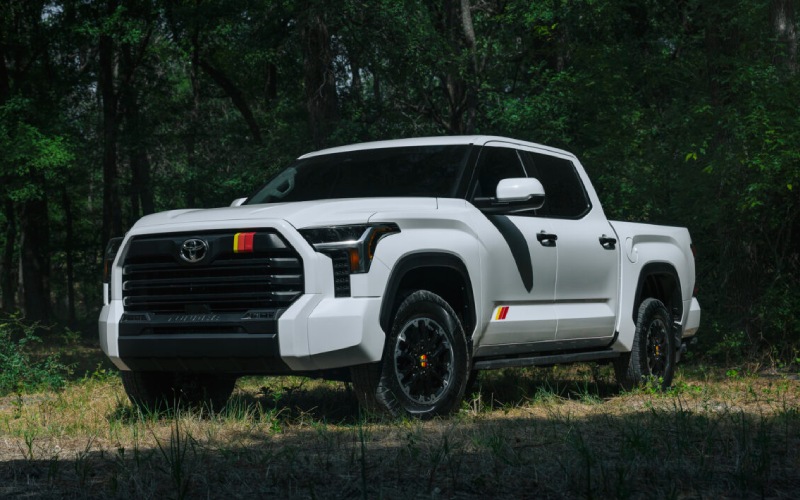
Welborn Toyota of Rome – Which truck tows more confidently around Calhoun, GA: the 2026 Toyota Tundra or the 2026 Ram 1500?
When shoppers start comparing full-size trucks, one question rises to the top fast: which model actually tows more confidently in the real world? On paper, both the 2026 Toyota Tundra and the 2026 Ram 1500 look appropriately strong. But towing more confidently is about more than a big number—it’s also about low-end torque, chassis control, visibility, and driver-assistance tech that calms the nerves when the boat ramp is crowded or the worksite is tight. Around Calhoun, GA, with hilly grades and mixed surfaces, the differences come into sharper focus.
Towing confidence starts with torque delivery. Tundra’s available i-FORCE MAX hybrid, which pairs a twin-turbo V6 with an electric motor, is built to deliver immediate low-rpm torque. That means steadier launches on inclines, fewer downshifts to maintain speed, and less drama merging with traffic while hauling a heavy load. Ram 1500 brings a range of engines, including the Hurricane inline-six options and the available 5.7L HEMI V8, and they can move serious weight. Yet, electric torque smoothness changes how towing feels minute to minute. When your route out of the Calhoun area includes a steep stretch, the Tundra’s hybrid system helps make it feel like a routine pull rather than a white-knuckle climb.
Max towing vs. usable towing
Specs matter, and Tundra’s max towing of 12,000 pounds edges out Ram 1500’s 11,610-pound peak. That difference can be the deciding factor if your next trailer nudges past five tons once you add gear and fluids. But usable towing is what you notice most. The Tundra’s 10-speed automatic keeps the engine in its torque band; the hybrid smooths out on-off throttle transitions; and the truck remains composed under changing crosswinds or surface changes. Ram’s transmissions are smart and refined, but the day-to-day smoothness of blended hybrid torque is where Tundra builds confidence you can feel.
Seeing and steering with a trailer attached
Managing a long trailer in traffic or on a narrow driveway is a choreography of mirrors, cameras, and patience. Tundra’s available Panoramic View Monitor stitches together camera feeds for a near 360-degree perspective. The available Trailer Backup Guide with Straight Path Assist helps keep your trailer pointed where you intend during reversing. Ram 1500 offers robust towing tech as well, including available surround view cameras and advanced driver assistance, but Toyota’s interface is exceptionally direct, with menus and prompts that feel made for drivers who are actually at the boat ramp or jobsite, not just in a showroom.
Driver-assistance systems that matter to towing confidence include adaptive cruise that manages gaps without awkward braking, lane assistance that reduces drift on crosswind-prone stretches, and blind-spot coverage that accounts for trailer length. In practical terms, this means fewer surprises from fast-approaching traffic and more time to plan your moves. The less you’re forced into reactive corrections, the more confident you feel.
Chassis control and braking composure
Confidence also comes from what you cannot see—suspension geometry, damping, and brake tuning. Tundra’s multi-link rear coil-spring suspension improves ride comfort, but more importantly for towing, it stabilizes the truck-trailer combination across expansion joints and patchy surfaces. With the available rear air suspension, Tundra can help level the load, maintaining better headlight aim and steering feel. Ram 1500 also employs a rear coil-spring setup and offers available air suspension; both trucks can be well-mannered when towing. The distinction in feel often comes from the Tundra hybrid’s torque delivery and the way its 10-speed holds gears under changing grades—fewer shifts, fewer weight-transfer jolts, more composure.
Bed durability affects long-term towing life
It may not seem directly connected, but a bed that stands up to hard use helps keep your truck towing its best years down the road. Tundra’s aluminum-reinforced composite bed resists dents and rust, which reduces long-term wear and the rattles that can creep in after seasons of loading equipment, coolers, and jack stands. Ram 1500’s steel bed is strong, but repeated impacts show up sooner. If you regularly load heavy gear before hitching up, the material difference matters.
Trailering features you’ll appreciate after month one
Make a shortlist of the features that make the routine parts of towing easier. On Tundra, that includes an Integrated Trailer Brake Controller, Tow/Haul modes that tailor shift logic, smart camera angles, and easy-to-use menus for configuring trailer profiles. These are tools you engage every single time you tow. On Ram 1500, comparable features are available—what tends to separate the experience is how quickly you can access them and how clearly the truck communicates what’s happening. When you’re lining up the coupler alone at dusk, or easing into a tight storage spot, fewer taps and clearer views add up.
- Torque delivery: Tundra’s hybrid-electric boost helps get heavy trailers moving with less throttle and fewer shifts.
- Visibility and guidance: Camera views and guided backup tools reduce the stress of tight ramps and busy lots.
- Stability and control: Coil-spring rear suspension and available air leveling help the truck remain composed over rough patches.
One more angle often overlooked: how the truck behaves when you’re not towing. The same tuning that brings stability with a trailer usually brings calm without one. Tundra’s ride and throttle response feel balanced running empty through town or on the interstate, which is exactly what you want after you’ve unhitched—no fatigue, no fuss.
Frequently Asked Questions:
Does the Tundra’s hybrid system change how it tows on steep grades?
Yes. The electric motor boosts low-rpm torque, so the truck builds speed with less downshifting and more control on climbs and descents.
Can both trucks help me back a trailer straight?
Both offer driver-assistance for reversing. Tundra’s Trailer Backup Guide with Straight Path Assist simplifies the process with clear prompts tailored to maintain a straight line.
Is there a clear winner for max towing?
Tundra’s 12,000-lb max tow rating tops Ram 1500’s 11,610-lb figure. Beyond the number, the Tundra’s power delivery and chassis tuning build confidence when you’re near the limit.
How important is a composite bed for towing?
While it doesn’t change towing specs, a composite bed better resists dents and rust from repeated loading, helping keep the truck quiet and solid over time—benefits you’ll feel on every tow.
If your chief question is which truck tows more confidently around Calhoun and nearby corridors, the picture is consistent: the Tundra’s blend of low-end torque, stable chassis tuning, and intuitive trailering tech builds trust from day one. That trust is what makes a highway pass feel routine and a steep ramp feel manageable. For shoppers comparing test drives, note not just how quickly the truck accelerates, but how predictably it does it—and how relaxed you feel afterward.
For guidance rooted in real towing use, Welborn Toyota offers hands-on demonstrations of trailering tools and set-up support tailored to the trailers you actually own. Our team is proud to be serving Kingston, Cedartown, and Calhoun with advice that keeps you focused on the weekend ahead, not wrestling with the process.
0 comment(s) so far on Which truck tows more confidently around Calhoun, GA: the 2026 Toyota Tundra or the 2026 Ram 1500?